
Wasps, Hornets & Yellow Jackets: Why Late Summer Is Nest Season in Kansas City
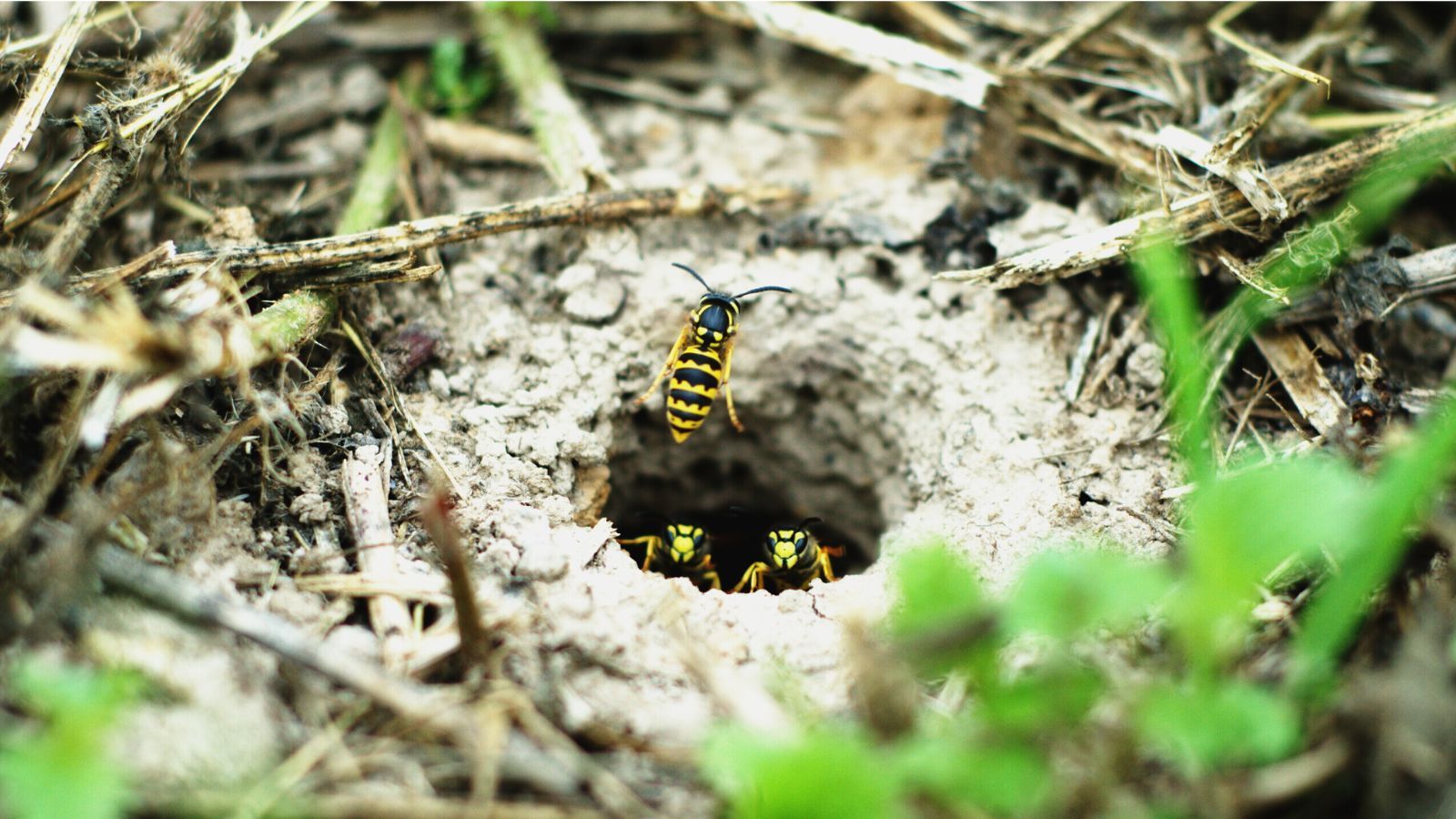
Every August, it happens like clockwork. You set out a plate of ribs or a cold drink at a backyard cookout, and within minutes a yellow jacket has claimed it as its own. It's not bad luck, and it's not because your yard is somehow worse than your neighbor's. It's biology. By late summer, yellow jacket colonies in the Kansas City area have grown from a single queen into a nest of several thousand workers, and their priorities have shifted right along with the season.
Travis Cole has spent years studying insect behavior, and that entomology background shapes how Cole Pest Control approaches yellow jacket season here in Kansas City. Understanding why these colonies balloon in size, and why the dangerous insects inside them get so much more aggressive, makes it a lot easier to know when a problem is DIY-sized and when it's time to call in help.
Yellow Jackets vs. Wasps vs. Hornets: How to Tell Them Apart
Homeowners often use these three names interchangeably, but they describe different insects with different habits, and that matters when you're trying to figure out what's building a nest near your patio.
Identifying Yellow Jackets
Yellow jackets are the ones most people picture when they think "stinging insect problem." They're compact, fast fliers with bright yellow and black banding and no visible hair on their bodies. Unlike bees, they can sting repeatedly. Most yellow jacket nests in this region are built underground or inside voids like tree stumps, which is exactly why a ground nest yellow jackets have often goes unnoticed until someone runs a mower over it.
Paper Wasps
Paper wasps build the open, umbrella-shaped nests you'll spot hanging under eaves, deck rails, or mailbox posts. In flight, their legs dangle noticeably below their body, which is one of the easiest ways to tell them apart from yellow jackets at a glance. They're generally less aggressive unless the nest itself is disturbed. If paper wasps have moved onto your eaves or deck rails, our wasp control team can remove the nest safely.
Bald-Faced Hornets
Despite the name, bald-faced hornets are actually a type of yellow jacket, just a larger, mostly black and white cousin. They build the football-shaped gray paper nests you'll see hanging in trees or under roof overhangs. These nests can grow quite large by late summer, and defending them is a group effort, so a disturbed hornet nest can mean a lot of insects reacting at once.
| Feature | Yellow Jackets | Paper Wasps | Bald-Faced Hornets |
|---|---|---|---|
| Color | Yellow and Black Bands | Brownish with yellow markings | Black and white/gray |
| Nest location | Ground, wall voids, stumps | Open umbrella nests under eaves | Enclosed gray paper nests in trees or on structures |
| Nest shape | Hidden, papery interior | Open honeycomb, visible cells | Large, enclosed, football shaped |
| Aggression level | High, especially late summer | Moderate | High when nest is threatened |
| Flight appearance | Legs tucked in | Legs dangle | Legs tucked in |
Why Yellow Jacket Colonies Explode by Late Summer
A yellow jacket colony starts in spring with a single surviving queen who overwinters alone. She builds a small starter nest and raises the first batch of workers by herself. From there, growth compounds fast. By the time July and August roll around, that one queen's early efforts have created a colony that can number in the thousands.
Diet is part of what can make late summer so much worse. Earlier in the season, worker yellow jackets are hunting protein - mostly other insects - to feed developing larvae. But by late summer, the colony's priorities shift toward sugar. That's when they start showing up at cookouts, farmers markets, and anywhere else food and drinks are sitting out around Kansas City. This isn't just about there being more wasps around. A colony under pressure to feed both new larvae and a growing population of adults becomes noticeably more defensive, which is why yellow jacket season in late summer can feel so much more intense than it did in June.
Where Yellow Jackets Nest Around Kansas City Homes
Yellow jackets aren't terribly picky about location as long as it offers shelter and easy access. Around Kansas City, that usually means a few predictable spots.
- Ground nests are extremely common, and they're often built inside abandoned rodent burrows. That makes them easy to miss until a mower vibration sets off a defensive swarm or someone steps too close to the entrance while walking in the yard, or something as innocent as walking to the mailbox.
- Wall voids, soffits, and attics are the other major targets, especially in older homes where small gaps and cracks give workers a way inside. Once a colony establishes itself in a void, it can grow undetected for weeks.
- Neighborhoods with
older houses and heavier clay soil, areas like Raytown,
Lee's Summit, and
Independence, tend to see more ground-nesting activity. Clay soil holds its shape well underground, which gives yellow jackets a sturdy, protected space to expand a nest as the colony grows.
Signs You Have a Nest Before Someone Gets Stung
A few warning signs tend to show up before anyone actually gets stung, and catching them early can save a lot of pain and trouble. Watch for a steady stream of insects flying in and out of a single spot, whether that's a hole in the ground, a gap near your foundation, or a vent. Buzzing coming from inside a wall or attic space is another clear signal, especially if it gets louder on warm afternoons. And if you notice sudden aggression around trash cans, drink cans, or anything sweet, that's often a sign a nearby colony has already shifted into its late-summer food-hunting mode.
If any of this sounds familiar, it's worth getting a professional set of eyes on your property before the colony grows any larger.
What to Do (and Not Do) If You Find a Nest
It's tempting to handle a nest yourself, especially if it looks small or out of the way. But yellow jackets defend their colony as a group, and disturbing a nest, even accidentally, can trigger dozens of stings in seconds. Lawn mowers are a common trigger for ground nests, specifically since the vibration and noise read as a threat to the colony.
Never spray or seal a ground nest on your own. Sealing an entrance without eliminating the colony first often just forces the workers to dig a new exit, sometimes closer to your home's foundation or through a nearby wall.
Most stings cause temporary pain and swelling, but some people have more serious reactions. If you or someone you know experiences difficulty breathing, swelling of the face or throat, dizziness, or hives spreading beyond the sting site, that's a sign of a possible allergic reaction and needs medical attention right away.
How Professional Yellow Jacket Removal Works
Getting rid of yellow jackets for good means eliminating the entire colony, not just destroying the visible part of the nest. Cole Pest Control treats nests using an approach that's safe for family members and pets while still being thorough enough to reach the colony where it actually lives and eliminate it. Treatment is typically done at night, when the full colony is inside the nest and less active. This timing allows for a more complete treatment and reduces the risk of an aggressive response mid-service.
Once the active colony has been addressed, our team can also walk you through the Worry-Free Program, which is designed to help prevent new colonies from establishing around your property next season. If you're dealing with an active nest right now, our Yellow Jacket Pest Control service covers the full process from inspection to elimination.
Stinging insects aren't the only late-summer pest problem in Kansas City. If brown recluse spiders are also turning up around your home, see our guide to spider and brown recluse control.
Frequently Asked Questions About Yellow Jackets
When do yellow jackets come out in Kansas City?
Queens typically emerge in spring to start new colonies, but noticeable activity usually ramps up by mid-summer and peaks in August and September as colonies reach full size.
Why are yellow jackets so aggressive in August and September?
Colonies are at their largest by late summer, and their diet shifts toward sugar around the same time, which puts them in closer contact with people and food. A bigger colony also means more workers defending it at once.
Are yellow jacket nests dangerous to remove myself?
Yes, particularly ground nests. Vibration, noise, or an incomplete treatment can trigger a group defense response resulting in multiple stings.
Do yellow jackets come back to the same nest next year?
No, colonies don't reuse the same nest season after season. However, the same yard conditions, like loose soil or gaps in siding, can attract a new queen the following spring if nothing changes.
What's the difference between a yellow jacket sting and a bee sting?
Bees typically sting once and leave a barbed stinger behind, while yellow jackets can sting multiple times without losing their stinger. Yellow jacket stings also tend to cause a sharper, more immediate pain.
Ready to Take Back Your Yard?
If you've spotted a nest, been chased by a yellow jacket, or you're just noticing more activity around your home than usual, don't wait for someone to get stung, especially since a sting can be more than short-term, minor discomfort for many people. Cole Pest Control offers thorough, family- and pet-safe yellow jacket removal throughout the Kansas City area, backed by real entomology experience behind every treatment plan.
Schedule your service today
and let our team handle the nest before it becomes a bigger problem.