
You reach into a bin of holiday decorations in the basement. You pull on a work glove that has been sitting in the garage since spring. You shake out a pair of shoes from your closet before slipping them on. These are the types of moments when Kansas City homeowners come face-to-face with the brown recluse spider, and most of the time, they have no idea the spider has been there for months!
The brown recluse is one of the most common - and feared - year-round household pests in Kansas City and the surrounding communities of Lee's Summit, Blue Springs, Independence, and Warrensburg. Unlike seasonal insects that show up in warm months and disappear in fall, brown recluses are active in your home every month of the year. They simply stay hidden until a disturbance forces contact.
The challenge is that most KC homeowners do not realize they have a brown recluse problem until they find one in a living area or deal with a bite. These spiders do not spin visible webs in corners or show up on window sills. They stay deep in dark, undisturbed spaces, which makes early detection genuinely difficult without knowing where to look.
This guide covers how to identify them, where they hide in KC homes, what homeowners can do to reduce risk and prevent entry, and when the situation calls for professional pest control in Kansas City rather than a DIY approach.
What Is a Brown Recluse Spider and Why Kansas City Homes Are at Risk
Kansas City sits squarely in the brown recluse's native range. The south-central Midwest corridor through Missouri and Kansas is one of the most heavily populated brown recluse territories in the country. When a KC homeowner finds a brown spider in the house, there is a real chance it is actually a brown recluse, not just a misidentified common spider.
Identification comes down to a few key features. The most recognizable is a violin-shaped marking on the back, with the violin's neck pointing toward the abdomen. Body color runs from light tan to medium brown with no banding or pattern on the legs. The body itself is roughly a quarter to a half inch long. Perhaps the most reliable identifying feature is the eye pattern: brown recluses have six eyes arranged in three pairs, while most spiders have eight.
The bite risk of a brown recluse is real, but it’s also worth putting into context. The majority of brown recluse bites are minor or go completely unnoticed. A small percentage causes more significant skin reactions that require medical attention. Children, the elderly, and individuals with compromised immune systems face a higher risk of serious reactions. The goal is not to cause alarm but to understand why an established infestation in a home with kids or elderly residents warrants quick action.
Older Kansas City homes create particularly favorable conditions. Stone foundations, unfinished crawl spaces, attached garages, and basement storage areas all provide the dark, undisturbed environments brown recluses prefer. Homes built before 1970 are especially common targets, though any home with the right conditions can support a population, regardless of age.
Where Brown Recluse Spiders Hide in Kansas City Homes
Brown recluses do not roam open spaces looking for food the way some spiders do. They prefer tight, rough-surfaced harborage spots where they can stay completely undisturbed. Cardboard, wood, fabric, and insulation are all favored surfaces. Understanding where they set up gives homeowners a clear map of where to focus prevention efforts.
| Location | Why They Choose It |
|---|---|
| Basements and crawl spaces | Dark, low-traffic, and often humid with rough concrete and wood surfaces |
| Cardboard storage boxes | Cardboard mimics the bark and wood debris they nest in naturally outdoors |
| Closets and attics | Rarely disturbed, full of fabric, and tucked away from light and activity |
| Garages and woodpiles | Outdoor access points with debris, clutter, and protected corners |
| Clothing and shoes on the floor | Warm, enclosed, and left undisturbed for long stretches |
| Behind baseboards and wall voids | Narrow spaces near the floor that offer protection and proximity to insects |
One habit worth implementing immediately: never reach into a cardboard box, pile of stored clothing, or undisturbed corner in a basement or garage without shaking or using a gloved hand first. Brown recluses do not attack, but they will bite when they feel trapped or pressed against skin.
Warning Signs Your Kansas City Home Has a Brown Recluse Problem
Infestations rarely announce themselves. A single female brown recluse can produce multiple egg sacs over a lifetime, each containing 30 to 50 eggs. A small hidden population can grow significantly before a homeowner notices anything unusual. Early detection makes a real difference in how quickly the situation can be brought under control.
| Signs Your Home Has a Problem | Signs Your Home Is Lower Risk |
|---|---|
| Frequent sightings in living areas, not just the basement | Spiders only spotted occasionally in lower levels of the home |
| Finding egg sacs in undisturbed storage areas | Minimal clutter and regular disturbance of storage spaces |
| Sticky traps catching multiple spiders in a short period | Belongings stored in sealed plastic bins, not cardboard |
| Unexplained bites appearing overnight | Entry points around windows, doors, and foundation are sealed |
| Heavy cardboard storage in basement or garage | Consistent general pest control reducing the insect food source |
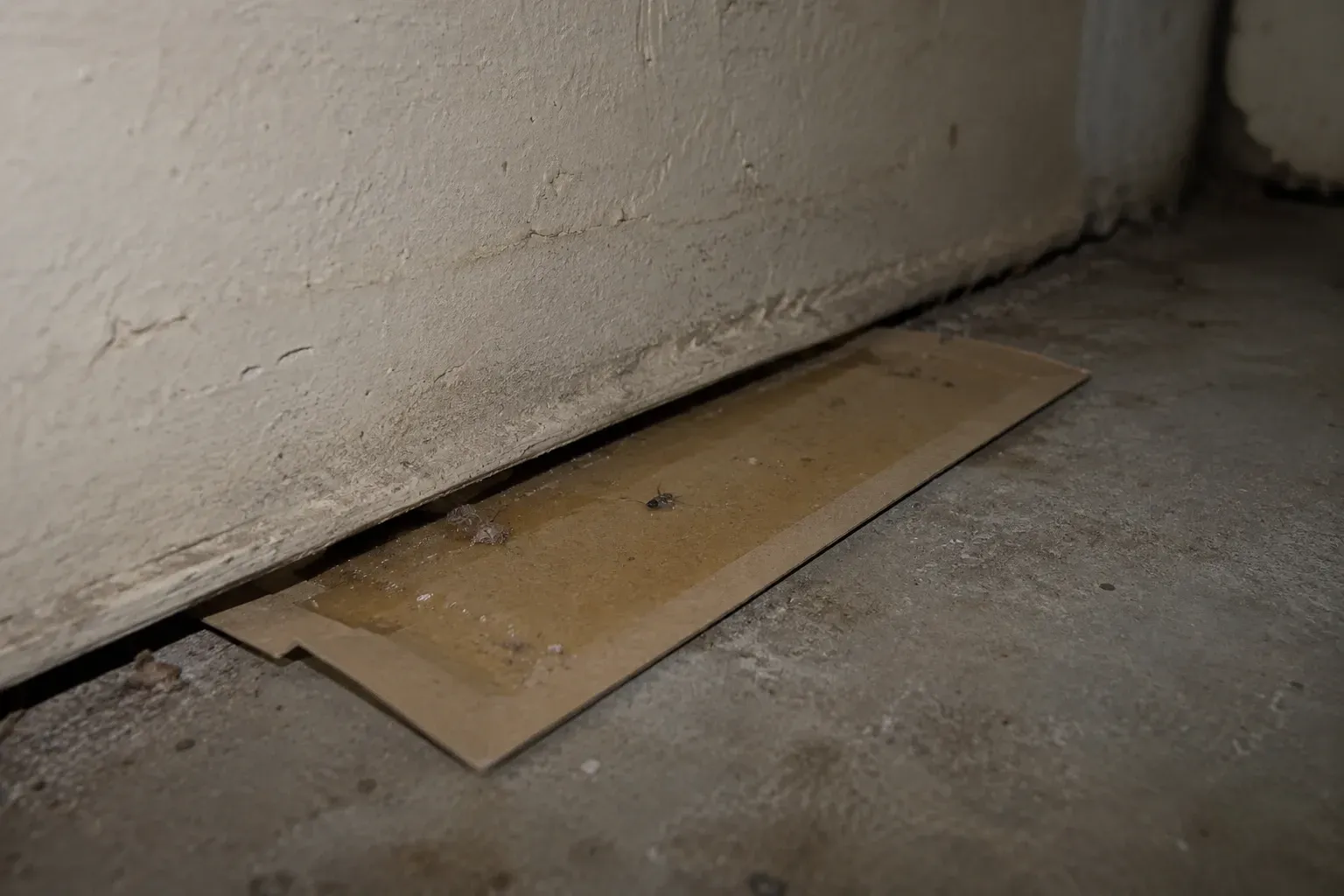
Glue traps placed along baseboards in the basement, garage, and closets are one of the most practical tools for monitoring brown recluse activity. If traps are catching more than one or two spiders over a few weeks, that is a sign of an established population rather than occasional entry.
How to Keep Brown Recluse Spiders Out: A Prevention Checklist for KC Homeowners
Declutter and Reorganize Storage
Cardboard boxes are among the most common brown recluse harboring sites in KC homes, and they are easy to eliminate. Replace cardboard with sealed plastic bins wherever possible, particularly in basements and garages. Move stored items off the floor and onto shelving so they are easier to inspect. Any items that have been sitting completely untouched for a year or more are worth going through or removing entirely. Less clutter means fewer hiding places, which directly reduces the habitat available to an established population of brown recluse spiders.
Seal Entry Points
Older Kansas City homes often have significant gaps around window frames, door thresholds, utility penetrations, and foundation cracks. Brown recluses are flat enough to enter through gaps as small as a credit card. Walk the perimeter of the home and inspect for any opening at ground level or below. Install or replace door sweeps on exterior doors, including the door connecting an attached garage to the living space. Seal gaps around pipes, electrical conduits, and HVAC lines where they enter the foundation. Weather stripping around basement windows is worth checking annually.
Cut Off Their Food Source
Brown recluses are hunters, and they feed on other insects including cockroaches, silverfish, crickets, and other small bugs common in KC homes. A home with an active general insect population provides a consistent food source that supports a brown recluse population. Addressing the underlying insect pressure is one of the most effective long-term strategies for keeping brown recluses at bay. This is exactly the logic behind Cole Pest’s Worry-Free Guaranteed Pest Control Program, which targets the broader insect population year-round so brown recluses lose the food supply that lets them thrive.
Daily Habits That Reduce Bite Risk
Even in a home with a known population, bite risk can be significantly reduced through a few consistent habits.
- Shake out shoes, gloves, and any clothing stored in the garage or basement before putting them on.
- Check stored bedding or linens that have been in a closet for an extended period.
- Keep clutter off the floor in living areas, especially in bedrooms and closets.
These habits will not eliminate a spider population, but they do remove the conditions where most bites actually happen.
When DIY Is Not Enough: What Cole Pest Control’s Brown Recluse Treatment Covers
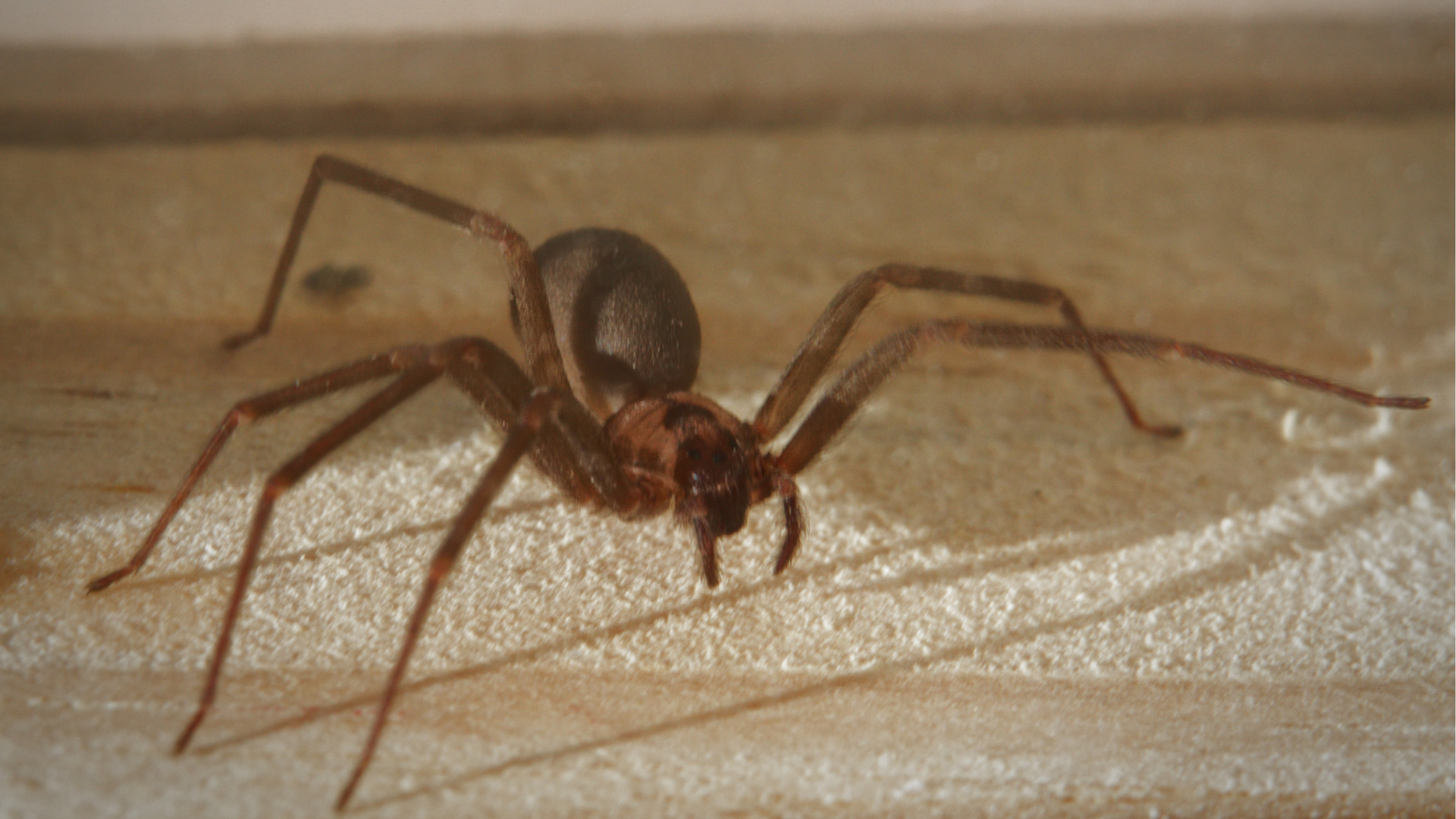
If you are dealing with an established infestation, seek out Cole Pest Control’s brown recluse exterminator services in Kansas City, MO as the most reliable solution. Cole’s brown recluse control in Kansas City is not a straightforward over-the-counter fix. Research consistently shows that standard store-bought pesticide sprays are not reliably effective against brown recluses. Their behavior works against surface treatments: they spend most of their time in deep harborage rather than crossing treated surfaces. Established populations in crawl spaces, attics, or wall voids require targeted professional treatment to reach the areas where the spiders actually live.
Cole Termite and Pest Control's brown recluse treatment is designed to address the full scope of the problem, not just the spiders that are visible.
- Full interior and exterior inspection to identify active harborage areas and entry points
- Targeted insecticide application in crevices, wall voids, and known hot spots
- Perimeter spray around the foundation to reduce entry
- Glue traps placed in strategic locations for ongoing monitoring
- Whole-home insect treatment to eliminate the food source that supports brown recluse populations
Cole serves residential and commercial properties across Kansas City, Lee's Summit, Blue Springs, Independence, and Warrensburg. With over 44 years of experience and one of only 20 certified entomologists in the state of Missouri on staff, the team brings both the expertise and the local knowledge that Kansas City homes require.
Protect Your Kansas City Home Before Brown Recluses Become a Bigger Problem
Brown recluse spiders are a real, year-round concern for Kansas City homeowners, but they are manageable with the right combination of prevention habits and professional support - when the situation calls for it. The key is not to wait until you are finding spiders in living areas or dealing with a bite. Early action, good storage practices, and a pest control program that addresses the broader insect population all work together to keep your home protected.
Cole Termite and Pest Control has been protecting Kansas City homes for over 44 years. If you have questions about brown recluse activity in your home or want to schedule a free inspection, call (816) 737-1031 or request an appointment online. Cole serves Lee's Summit, Blue Springs, Independence, Warrensburg, and the greater KC metro area.
Frequently Asked Questions: Brown Recluse Spiders in Kansas City
1. Are brown recluse spiders dangerous?
Most brown recluse bites are minor and may not even be noticed at the time. A small percentage of bites cause more serious skin reactions that require medical care. Children, older adults, and people with underlying health conditions face a higher risk of a more significant reaction. If you suspect a brown recluse bite and notice a growing wound or systemic symptoms, contact a medical provider promptly.
2. How do I tell a brown recluse from a regular brown spider?
The two most reliable identifiers are the eye pattern and the violin marking. Brown recluses have six eyes in three pairs arranged in a semicircle, while most common spiders have eight eyes. The violin-shaped marking on the top of the body, with the neck pointing backward toward the abdomen, is the other key feature. Uniform light-to-medium brown coloring without leg banding is also typical. When in doubt, a pest professional can confirm the identification.
3. I found one brown recluse. Does that mean I have an infestation?
Not necessarily, but it is worth taking seriously. A single sighting in a living area like a bedroom or kitchen warrants a closer look at storage areas, basement, and garage. Placing a few glue traps along baseboards in those areas over the next two to three weeks will give you a much clearer picture of whether you have occasional entry or an established population.
4. Can I treat brown recluses myself?
DIY approaches can help reduce exposure and limit entry, particularly the prevention steps covered in this guide. However, over-the-counter pesticide sprays are not consistently effective against established brown recluse populations because the spiders avoid treated surfaces. If glue traps are catching multiple spiders or you are finding them in living areas, professional treatment is the more reliable path to actually resolving the problem.
5. Does Cole offer brown recluse treatment in Lee's Summit, Blue Springs, and Independence?
Yes. Cole Termite and Pest Control serves the full Kansas City metro area, including Lee's Summit, Blue Springs, Independence, and Warrensburg. Whether you need a one-time inspection or ongoing pest control coverage, the team can help with both residential and commercial properties throughout the region.